
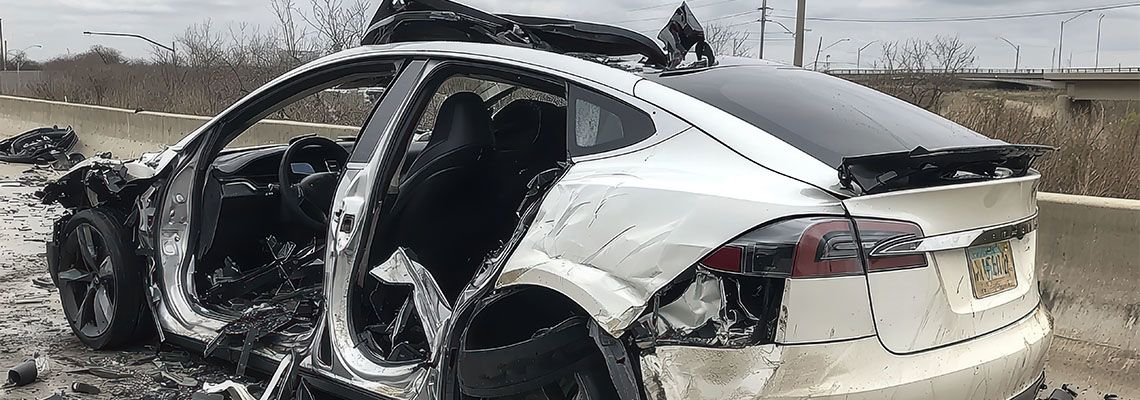
When Autonomous Vehicle Technology Fails: Legal Issues in Self-Driving Car Accidents
Autonomous vehicle technology promises convenience and safety, but when it fails, the results can be frightening and life-altering. Many drivers and passengers assume self-driving systems will reduce crashes, yet technology doesn’t always perform as advertised.
When sensors miss hazards or software makes the wrong decision, people can suffer serious injuries without ever touching the steering wheel. These car accidents often leave victims confused, overwhelmed, and unsure who should be held responsible.
I’ve spoken with individuals who never expected to be hurt by a vehicle that was supposed to drive itself. They trusted the technology, only to find themselves facing medical treatment, missed work, and lasting stress. These incidents raise important legal questions, mainly when personal injury occurs without a traditional “at-fault” driver.
At Jose Orihuela, Attorney at Law, with offices in Houston, Texas, and Webster, Texas, I help people work through these challenges and pursue accountability when autonomous vehicle technology causes harm. If you or someone you love has been affected, I invite you to reach out and talk with me about your situation.
How Self-Driving Vehicle Systems Can Fail
Autonomous vehicles rely on a combination of sensors, cameras, radar, and software to interpret their surroundings. When any part of that system doesn’t function properly, the risk of a crash increases. Unlike traditional accidents, these collisions may involve technology making split-second decisions that drivers can’t override in time.
In busy Texas traffic, even a minor malfunction can have serious consequences. A vehicle may fail to detect a stopped car, misjudge a pedestrian’s movement, or respond incorrectly to changing road conditions. When this happens, passengers and others on the road may suffer a personal injury through no fault of their own.
These crashes can be especially unsettling because responsibility isn’t always obvious. Was it the software, the hardware, or the human driver’s role in supervising the system? Answering these questions is critical when seeking accountability.
Common Causes of Autonomous Vehicle Accidents
Self-driving crashes usually stem from identifiable issues rather than random chance. Recognizing these causes helps clarify how liability may be assigned in a personal injury claim.
Sensor and camera failures: Autonomous systems depend on accurate data. Dirty, damaged, or poorly calibrated sensors can misread the environment and fail to detect obstacles.
Software errors: Programming mistakes or glitches can cause delayed reactions or incorrect decisions, such as accelerating instead of braking.
System limitations: Some autonomous features are designed for specific conditions. When used outside those limits, the risk of failure increases.
Human oversight issues: Many vehicles still require drivers to monitor the system. Confusion about when human intervention is needed can lead to delayed responses.
Before moving forward, it’s important to remember that drivers and passengers usually have no way to identify these problems before a crash. That’s why thorough investigation matters so much after an accident involving autonomous technology.
Who May Be Responsible When Technology Fails
Determining responsibility in a self-driving car crash is often more involved than in traditional accidents. Multiple parties may share responsibility when personal injury occurs.
Manufacturers may be accountable if a vehicle’s autonomous system was unsafe or failed under normal conditions. This includes problems with software design, system testing, or updates that introduced new risks. Parts suppliers may also be responsible if faulty components contributed to the failure.
In some cases, responsibility may still involve a human driver. If a driver failed to follow instructions about supervising the system or using it in appropriate conditions, that factor may be examined. However, these situations require careful review, as expectations around driver involvement can be unclear.
As an experienced personal injury attorney, I help clients sort through these layers of responsibility by reviewing vehicle data, incident reports, and system documentation. The goal is to connect the failure of the technology to the injuries suffered and identify who should be held accountable.
How Personal Injury Claims Differ in Self-Driving Car Cases
Personal injury claims involving autonomous vehicles often differ from traditional car accident cases. Instead of focusing solely on driver behavior, these claims may also address product liability issues and present detailed technical evidence.
Vehicle data logs can play a significant role. Many self-driving systems record information about speed, sensor input, and system decisions leading up to a crash. This data can help show what the vehicle “saw” and how it responded. Maintenance records and software update histories may also reveal whether the system was operating as intended.
Medical documentation remains just as important. Injuries from self-driving crashes can be severe, especially when vehicles fail to slow down or stop. Establishing a clear link between the crash and the resulting personal injury helps support a strong claim.
Because manufacturers and insurers may dispute responsibility, these cases often require persistence and careful preparation. I handle communication and evidence review so clients can focus on healing rather than technical disputes.
Compensation After a Self-Driving Car Accident
When autonomous vehicle technology fails, the financial and personal impact can be significant. Compensation in a personal injury claim should reflect both immediate and long-term effects of the crash.
Medical expenses: Emergency care, hospital stays, follow-up treatment, and rehabilitation can quickly become overwhelming.
Lost income: Time away from work and reduced earning ability can place stress on individuals and families.
Physical pain and emotional distress: Injuries often bring ongoing discomfort, anxiety, and changes to daily life.
Property damage: Damage to vehicles and personal property may be extensive, especially in high-speed crashes.
Before accepting any resolution, it’s important to consider future needs. Some injuries require continued care or limit a person’s ability to work long-term. Taking a complete view of these factors helps protect your interests.
Contact Me About a Self-Driving Car Accident
If you were hurt in a crash involving autonomous vehicle technology, you don’t have to face the aftermath alone. At Jose Orihuela, Attorney at Law, I help individuals pursue personal injury claims arising from self-driving car accidents. I serve clients in South Houston, Clear Lake, Friendswood, League City, Alvin, Houston, Dickinson, Bacliff, Kemah, Seabrook, and Santa Fe, as well as Webster, Texas. Reach out today to discuss your situation and take the next step forward.